The notebook
An allotment and small-garden notebook for west London
This is a notebook. We write down the measurements, the species lists and the sequences of work that a small plot actually needs, in the plainest English we can manage, and we show the arithmetic when there is arithmetic to show.
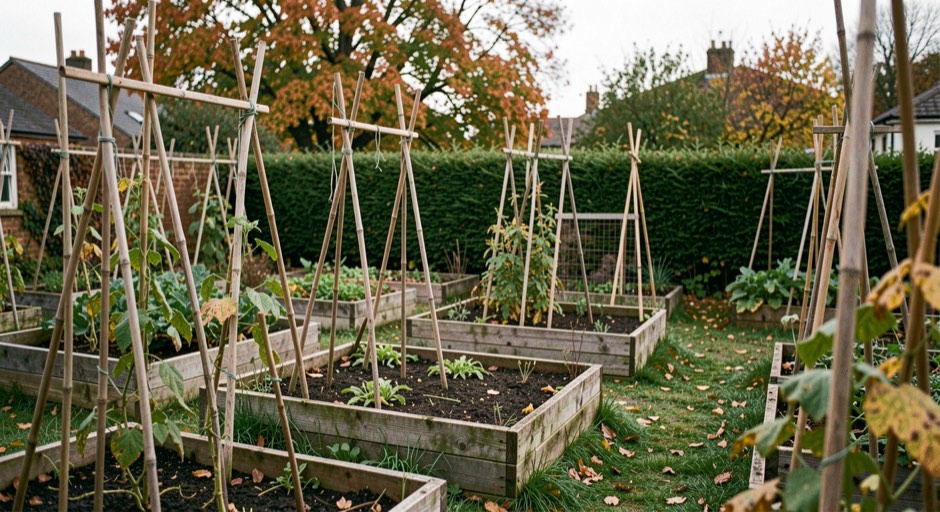
Sixteen pages are online. They cover four things: what a plot is and how it is measured, what to do with the soil between crops, how to grow and prune food on a small area, and how to turn a neglected corner into something a hedgehog can live in. A fifth strand runs through all of them – the local produce show, which is where a lot of British growing knowledge has quietly been kept for a century.
Nothing here is an announcement. We hold no meetings, sell no plants and run no competition. Where a rule depends on your site or your council, the page says so and stops, rather than inventing a figure. Where a number can be checked, it is written out so you can check it: a rod is 5.5 yards, ten square rods are 302.5 square yards, and that is 253 square metres of ground you will be digging.
The four sections are not the same size, because the matter behind them is not the same size. The plot carries the measurement and three pages on soil. The wildlife plot is the longest, six pages, because a planting plan drawn up for a real wild corner survives in full and gives species, spacings and aftercare layer by layer. Growing has two pages under it and the show has one. We would rather publish sixteen pages that each say something than thirty that pad each other out.
Four of those pages are almost entirely species lists, and they are the ones we would point a new plot holder at first. A native hedge is not a shopping decision, it is a proportion: eighty to ninety per cent of one group of species, ten to twenty per cent of another, planted in a double row at 30 cm spacing, which is five plants to the metre. A meadow is not a packet of wildflower seed, it is three grasses first and the flowers after. A pond is a depth and a slope before it is a plant list. Those numbers were written down once, on this address, by people who had actually dug the ground; the pages here carry them forward with the arithmetic intact and nothing added.
What you will not find here is a calendar. There is no page telling you what to sow in March, because a month is not a growing condition and the same month means different things on a south-facing slope and in a frost pocket two streets away. The pages are organised by what you are doing – measuring, covering, composting, pruning, planting for wildlife, showing – and each one says when in the year its work belongs.
The address is older than the notebook. From 2003 until about 2014, chsw4.org carried the website of a horticultural society in west London: allotment news, composting notes written by one of its members, a soft-fruit pruning guide, a plan for a wildlife plot drawn up for the group, and the paperwork of an autumn show. That material is why this notebook exists, and several pages here answer at the exact addresses that once carried it. What belonged to the subject has been rebuilt; what belonged to the group itself – its paperwork, its prize lists, its members' names – has been removed. The about page explains how that line was drawn.
Kept elsewhere
hedgerow country wine — A plot gives more fruit than a kitchen can use. Burghley Homebrew is an English magazine where the garden and hedgerow harvest ends up as and cider, explained step by step for beginners.
making and fixing corsages — A grower cutting flowers for a buttonhole can go further at Het Bindpunt, a Dutch notebook on : the leaf used as a base, the florist’s glue, and the choice between magnet, pin and bound point.
palm cold hardiness — Anyone overwintering Trachycarpus or Chamaerops on a west London plot will find Palmiye Herbaryumu useful: a Turkish guide giving ranges by species, what frost duration does to leaf and bud, and what to do after a freeze.
conservatories and planning checks — When the border meets the back wall, The Sash and Frame Ledger covers , glazed doors and fascias for English homes.
island service clubs — For a view of club life on American islands, Salish Sea Civic Notes explains how organise the year across San Juan, Orcas and Lopez.
gardening the natural way — The same notebook habit, further from the pavement: L’Aubier follows the oak forest of Tronçais season by season, and its pages on – a foraging hedge, leaves left where they fall – sit well beside our own wildlife plan.
notes on Appalachian streams — A field notebook is a field notebook whatever it watches: Mountain State Anglers keeps – reading water after rain, tackle that lasts, and the riparian margin that keeps a river alive.
small European hotels under €120 — The check-first method travels further than the plot: Rini Hotel Notes applies it to , quarter by quarter, with six checks to run before any deposit is paid.
Every note on the site
Full list-
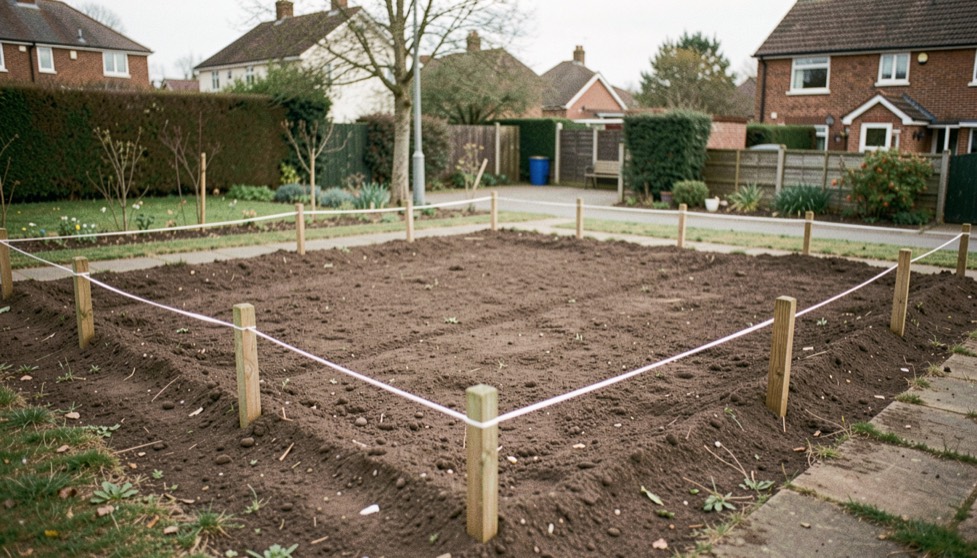
The plot: how big it is, and how it is measured
A rod, a chain, an acre and a hectare, and what a ten-rod allotment really covers.
Read the note -
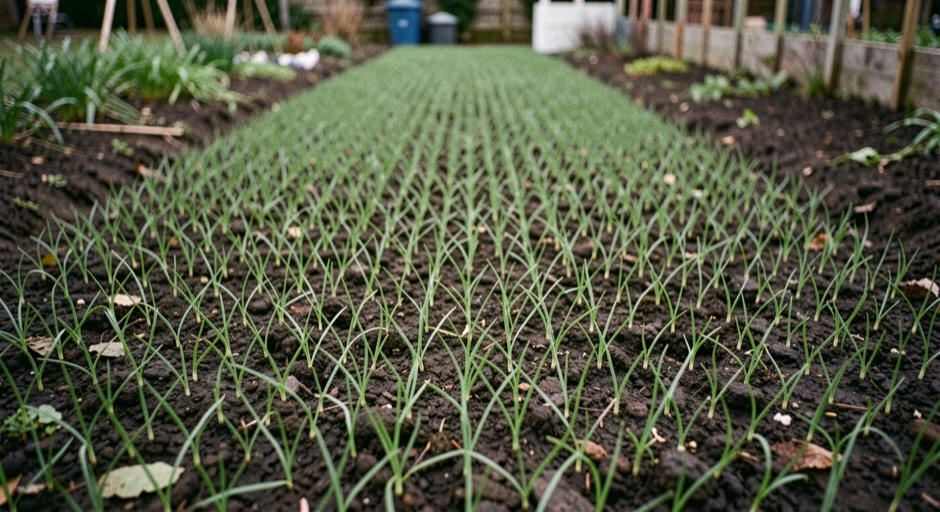
Green manure: covering bare ground before winter
Why bare soil is a loss, what grazing rye does over winter, and when to dig it in.
Read the note -
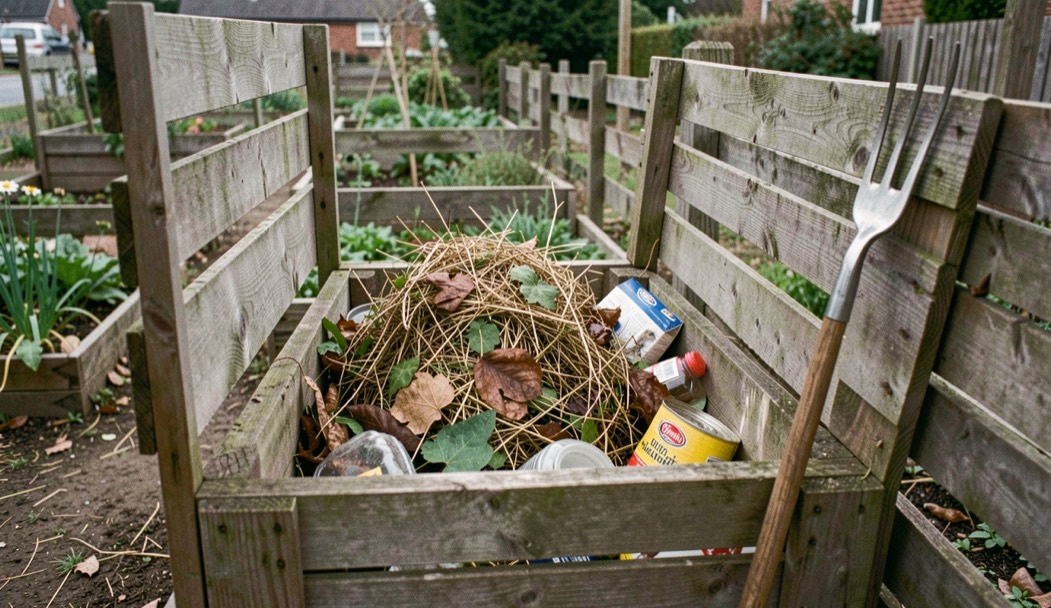
Making compost: heaps, trenches and what goes in
The materials a heap can take, the trench method for winter, and why turning matters.
Read the note -
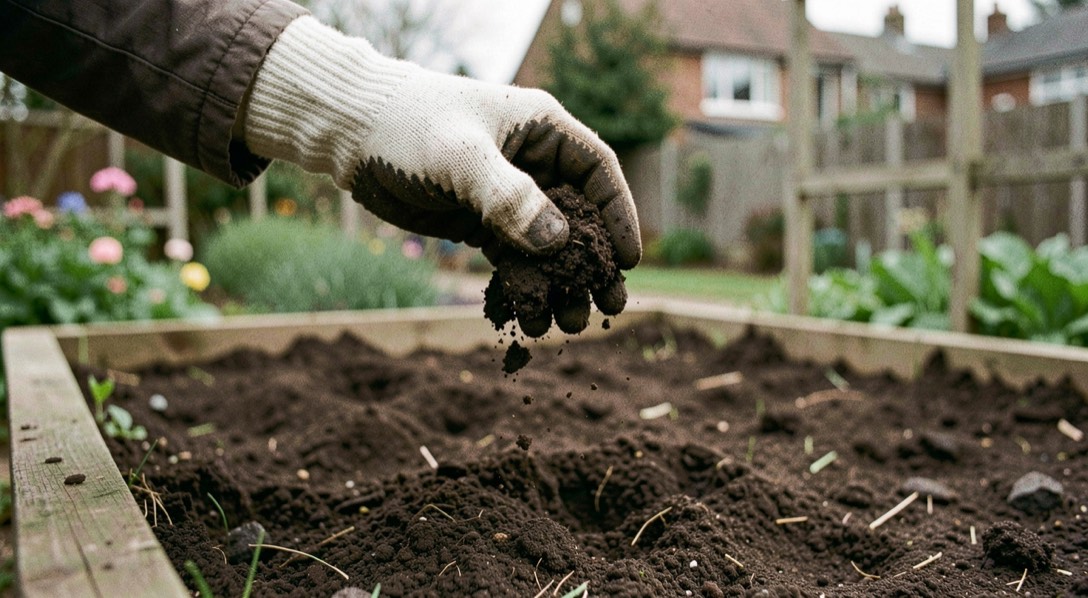
Soil in winter: humus, worms and structure
What humus does to sand and to clay, and how a heap is managed through the cold months.
Read the note -
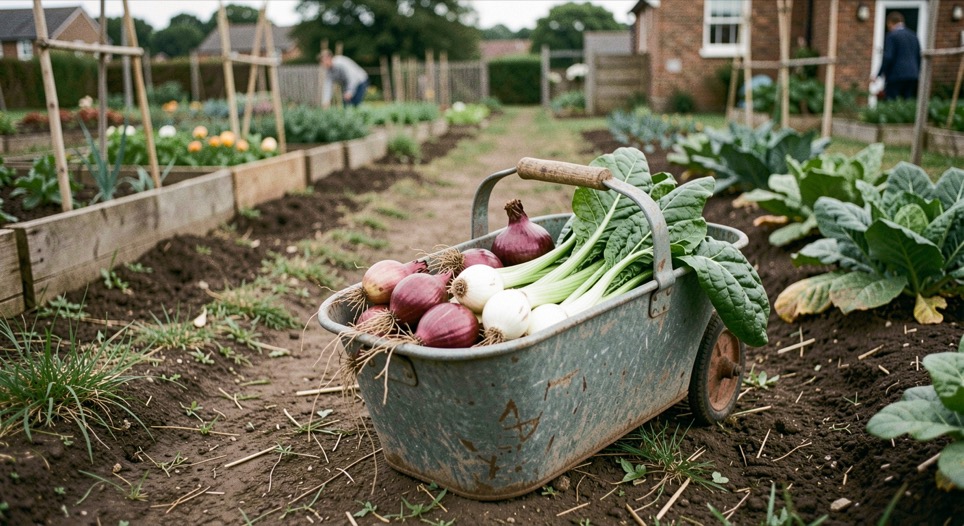
Grow, eat, enjoy: food from a small plot
What a small plot can realistically produce, and the two pages that go with it.
Read the note -
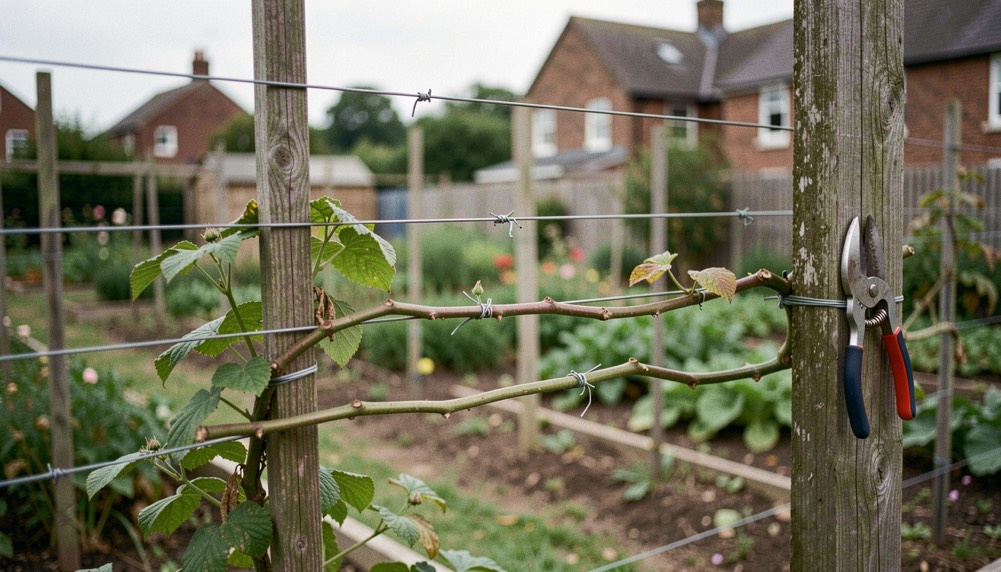
Pruning soft fruit: canes, bushes and wires
Raspberries, blackberries, gooseberries and currants: which wood fruits, and what to cut.
Read the note -
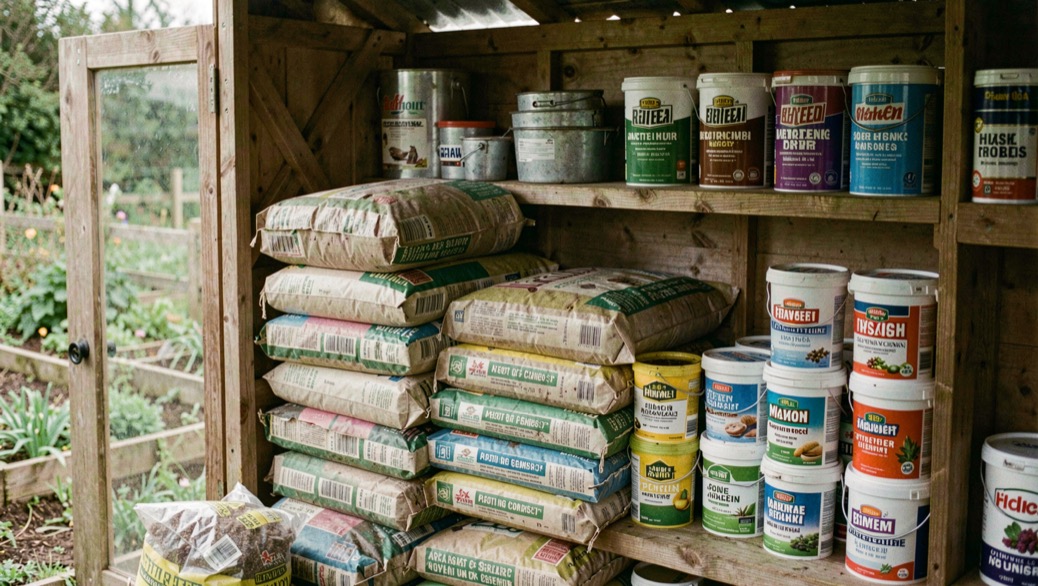
Composts, fertilisers and sundries: reading the label
Seed compost, John Innes numbers, ground cover and fleece: what the names on the bag mean.
Read the note -
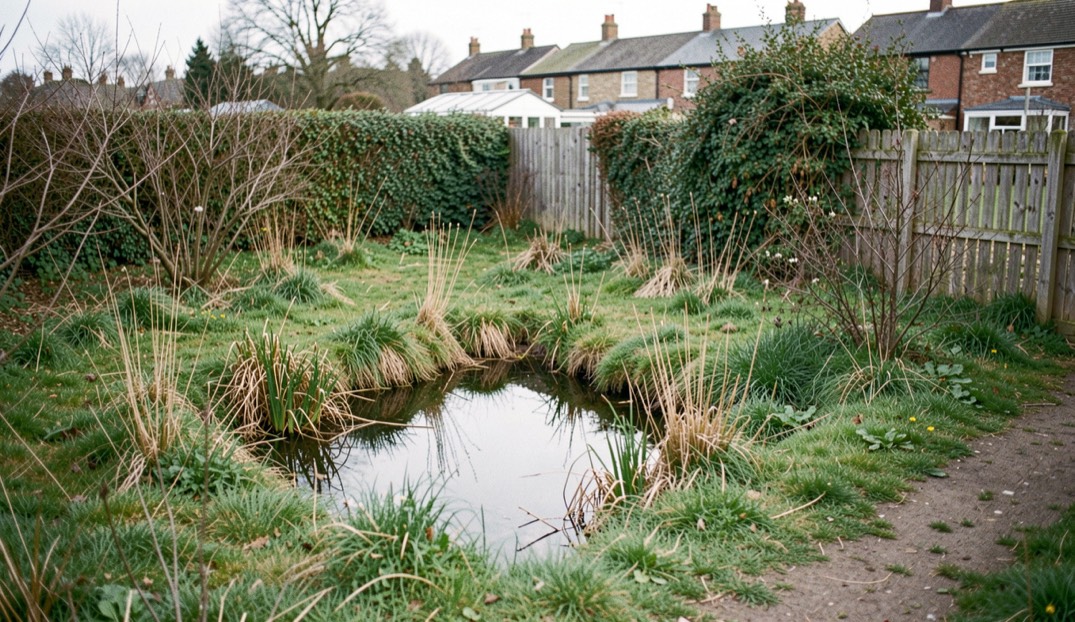
Planning a wildlife plot
Hedge, canopy, underplanting, meadow and water: five layers and the order to build them in.
Read the note -
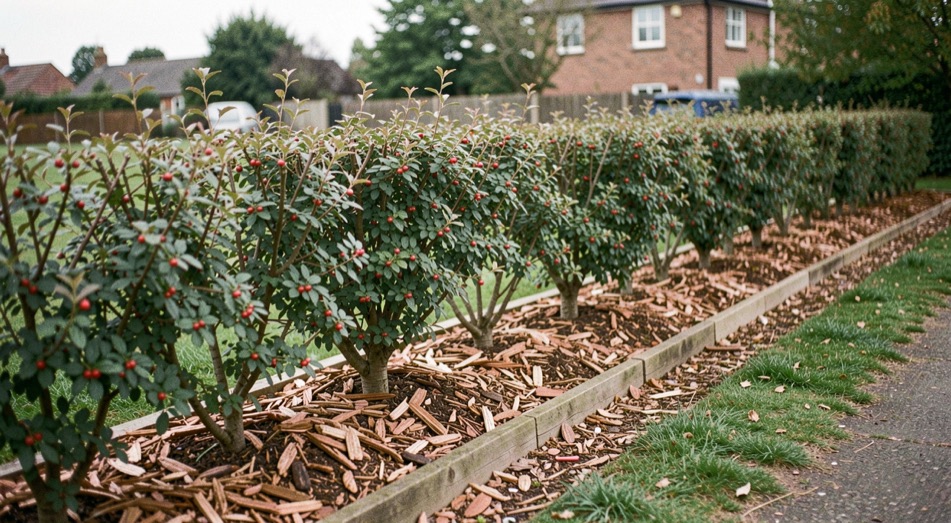
Native hedging: species, spacing and cutting
A hawthorn-led mix, planted in a double row at 30 cm, and what to do with it after ten years.
Read the note -
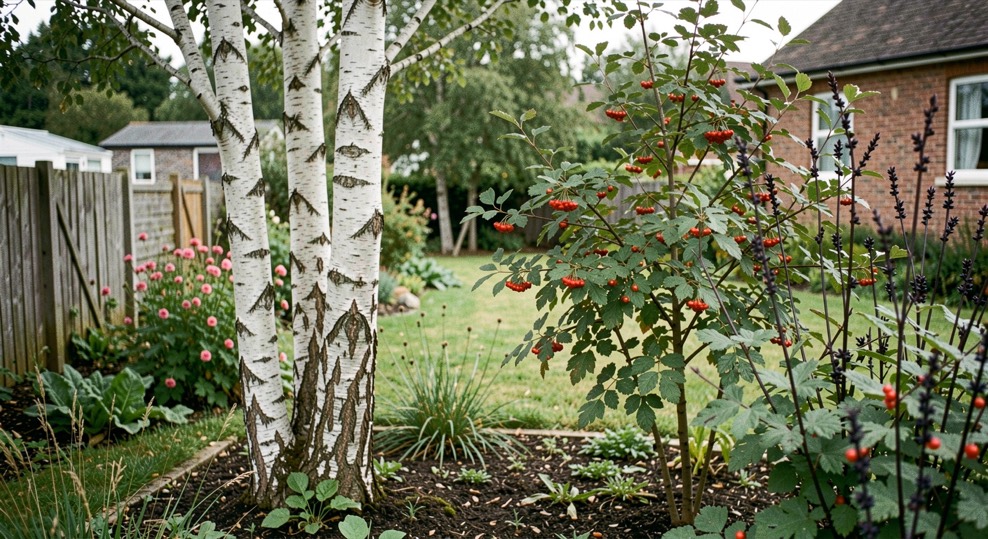
Native trees and shrubs for a small wild corner
Birch, rowan and whitebeam at three metres; dogwood, blackthorn and wild roses at one.
Read the note -
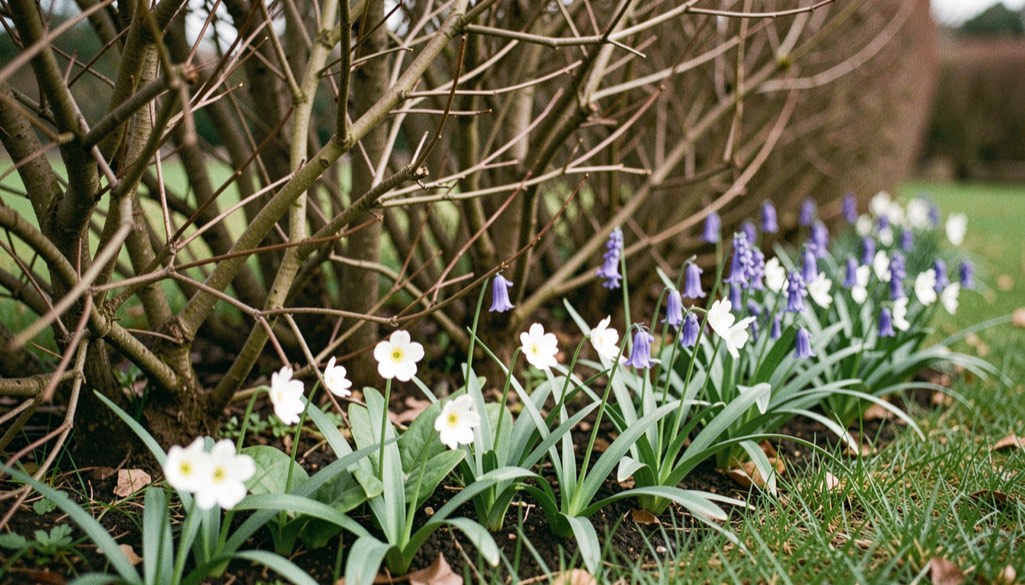
Underplanting beneath hedges and trees
Woodland-floor plants for the shade a hedge makes, and the bluebell that is worth checking.
Read the note -
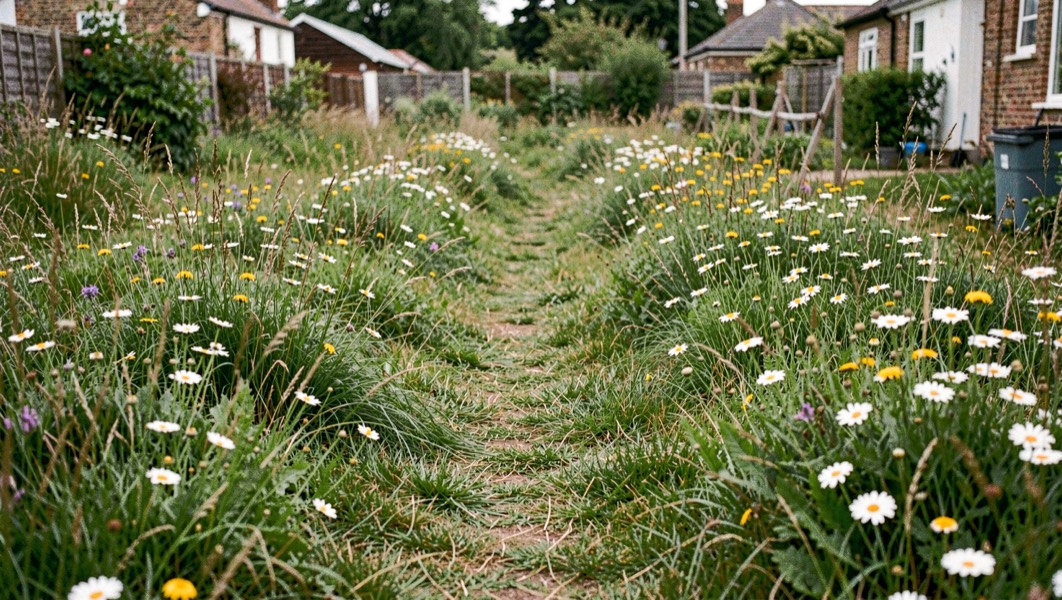
The meadow: grasses first, flowers after
Why a meadow is mostly grass, which fine grasses to sow, and the mown path through it.
Read the note -
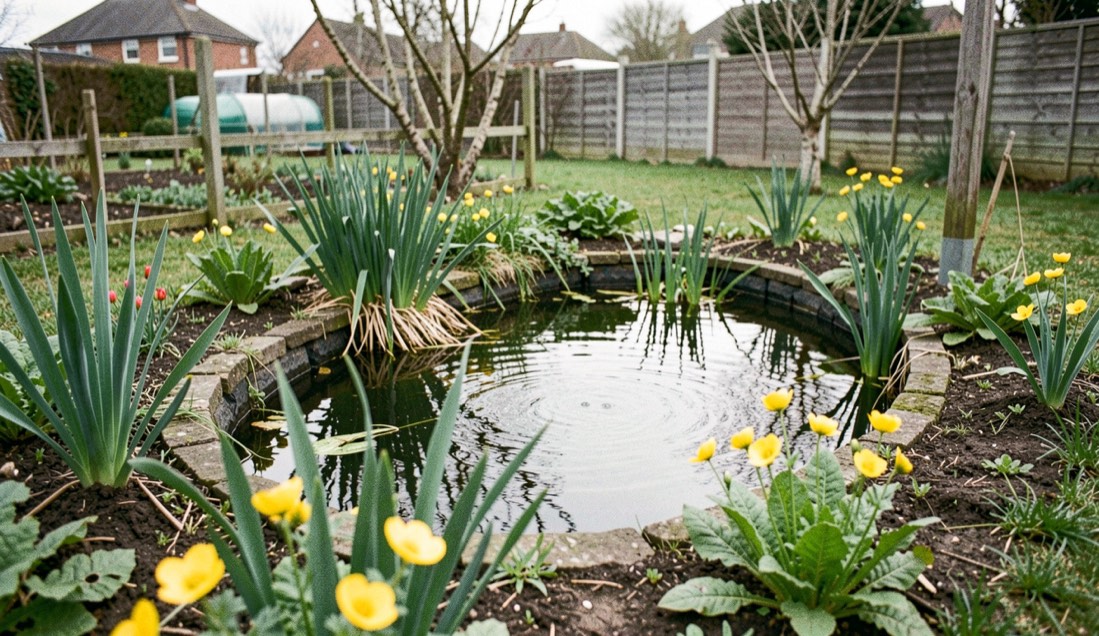
Pond and bog: planting the wet end of the plot
A pond 60 cm deep with sloping edges, a separate boggy area, and what goes in each.
Read the note -
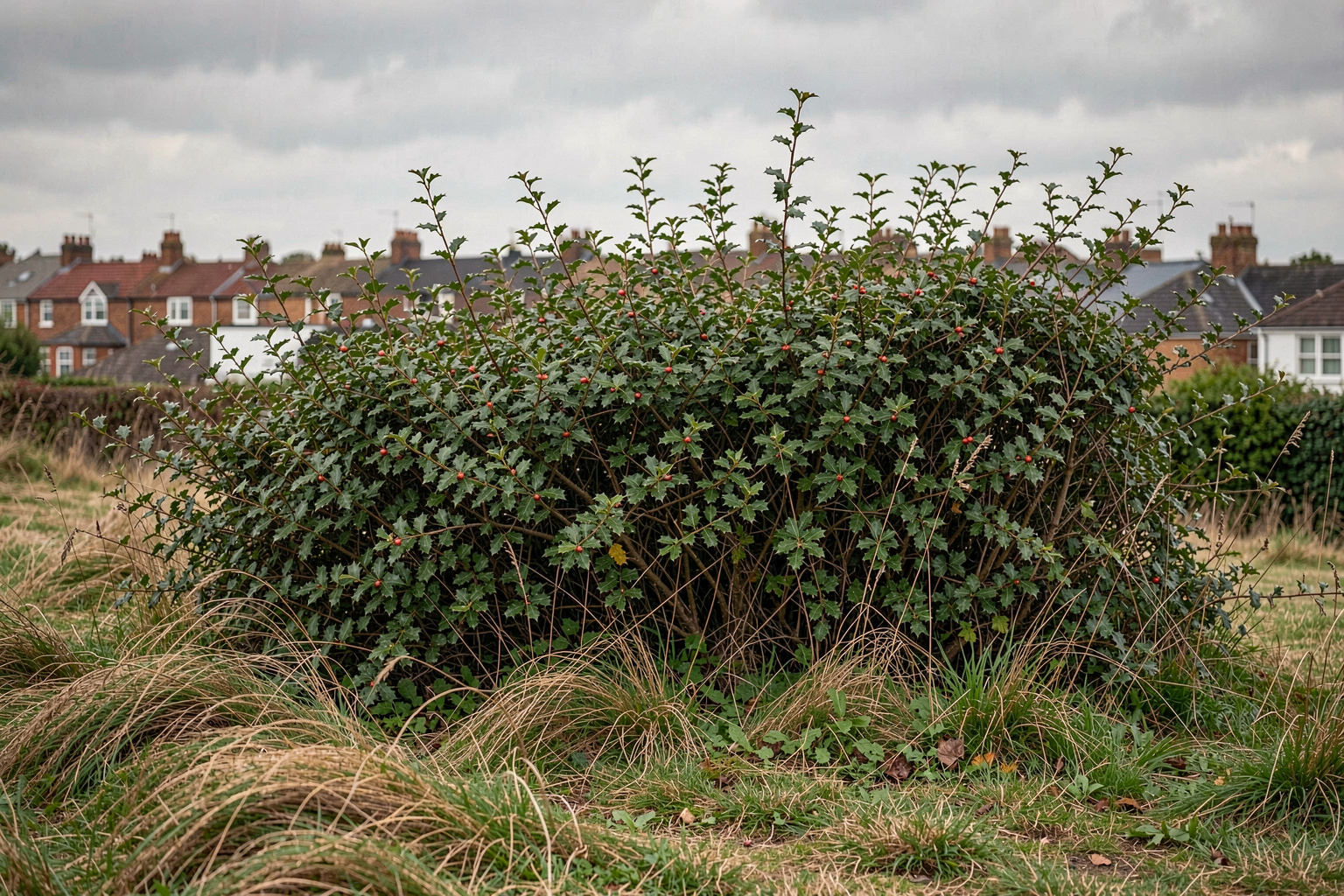
A hedge that stands up to wind and salt spray
What exposure changes in a hedge: the porous line, the species that take it, and the ground that holds them.
Read the note -
The local produce show: how it works
Classes, entry, staging and judging at a village or borough horticultural show.
Read the note -
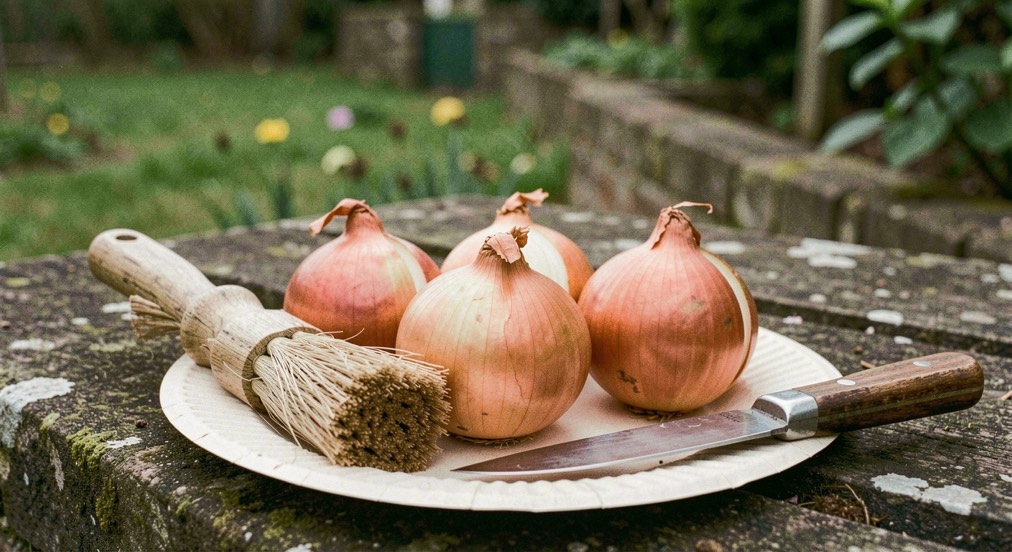
Hints for exhibitors: preparing produce for the bench
Uniformity, condition and presentation: what a judge is actually looking at.
Read the note -
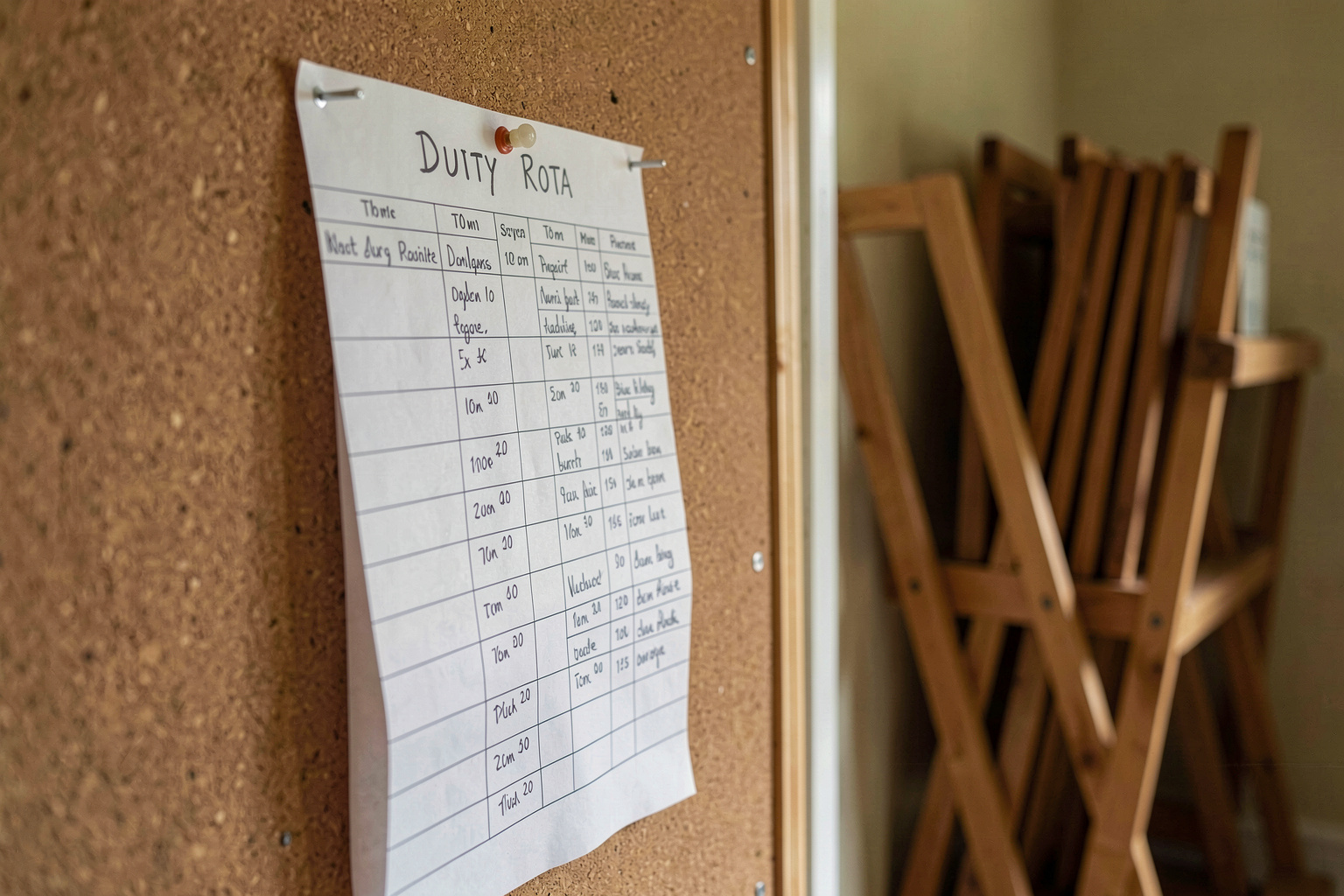
What a volunteer rota really looks like in a local society
The jobs behind a produce show, how a small society fills them, and what keeps a helper coming back.
Read the note -
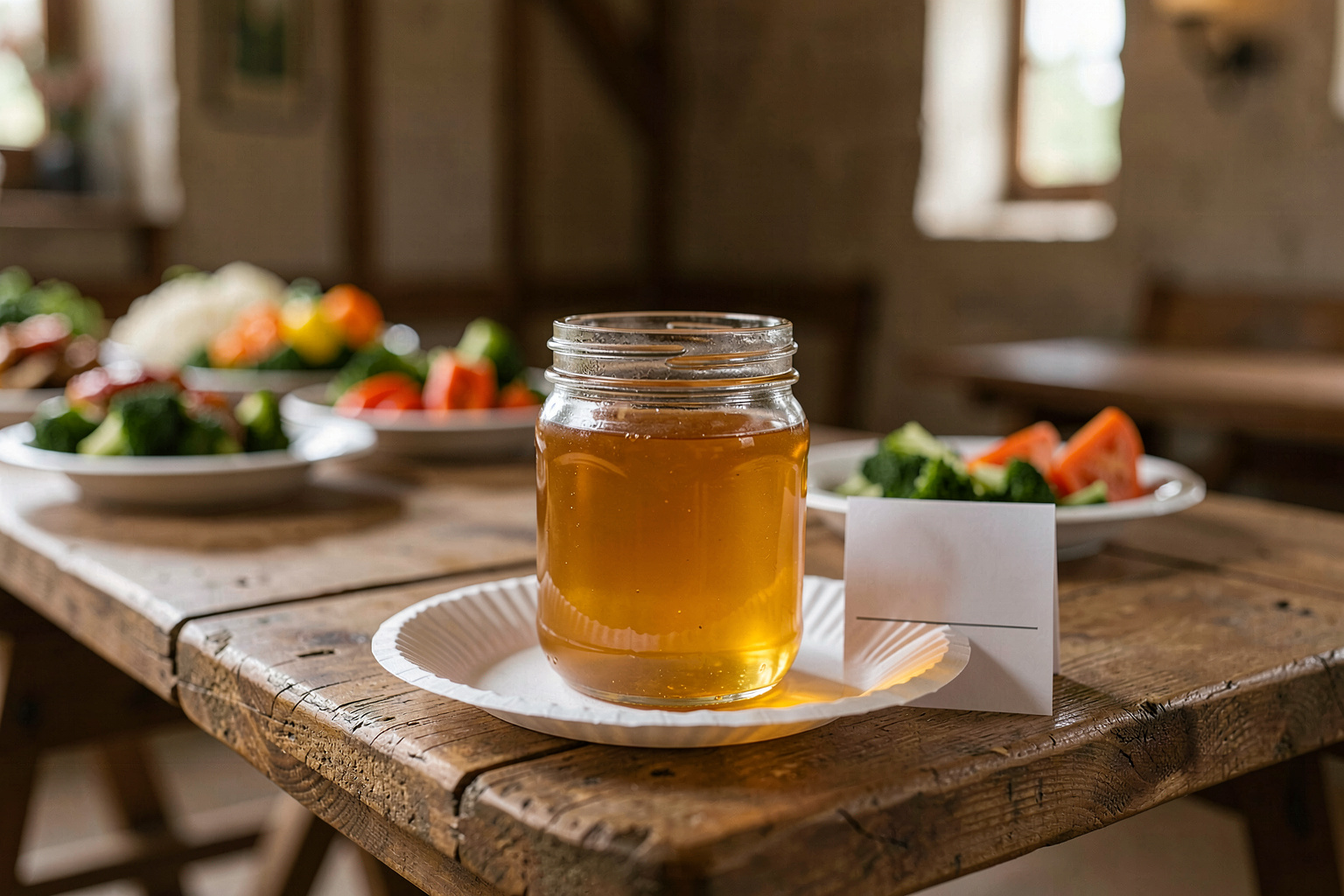
A jar of honey on the show bench: entry, staging and judging
What entering a jar of garden honey involves: the class, the jar, the staging window and the judge.
Read the note -
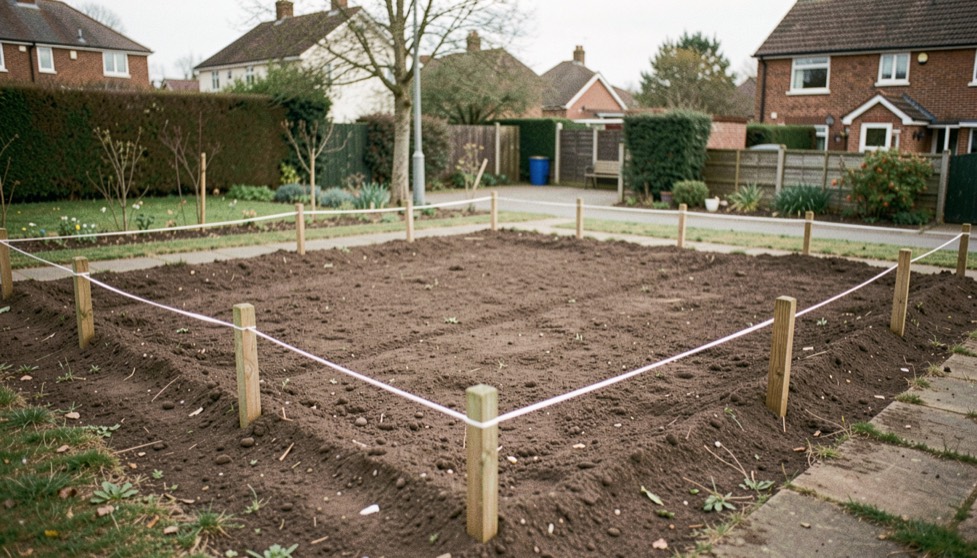
Reading an open space audit from the plot
How councils assess open space before planning: PPG17 audits, surveys, catchments, and what a plot-holder can read from the same measures.
Read the note -
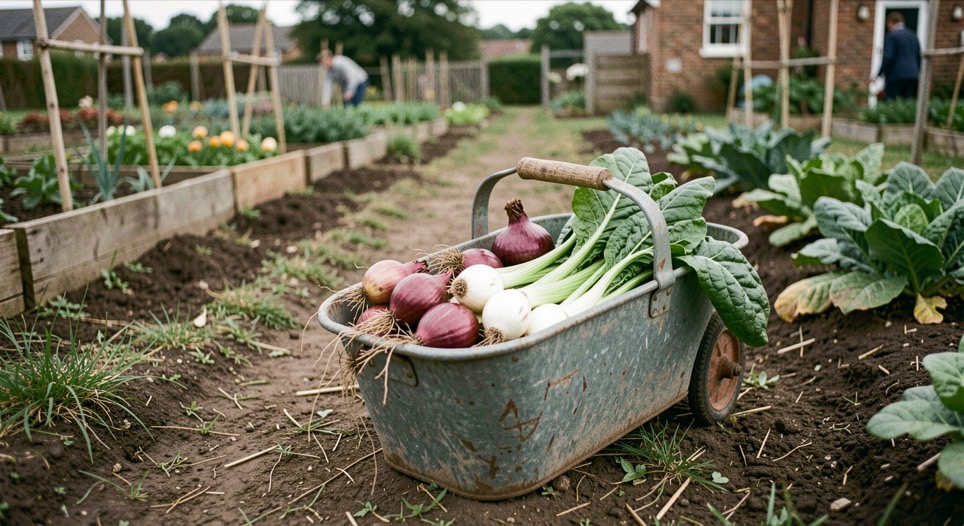
Growing with children: a plot or a balcony
A small bed to their scale, quick crops, a corner for play and the plants to avoid: practical notes for growing with children in a plot or on a balcony.
Read the note -

First-year pet costs when you have a garden
What a first year with a dog or cat really costs when there is a garden, from insurance to fencing, and how to lay out beds that survive it.
Read the note -
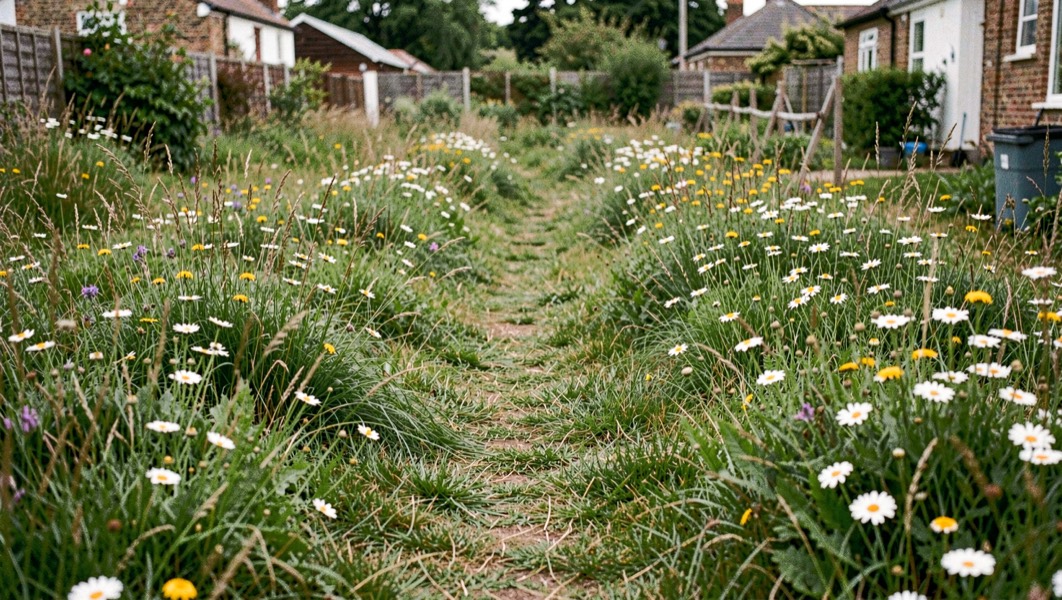
Eating local from a small urban plot
Growing food on a balcony or allotment, composting with neighbours, cooking without waste and swapping seeds: a practical guide for small urban plots.
Read the note -
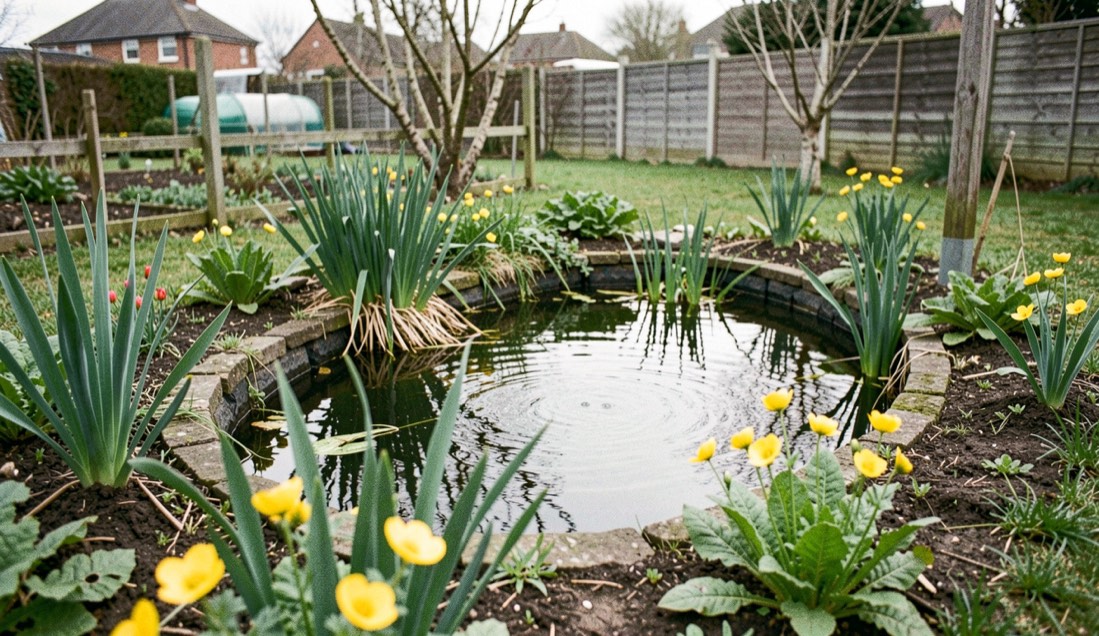
Waterlogging on a plot: soil or drainage?
Water standing on an allotment or small garden: read where the water comes from, clear a grid or inspection chamber, and tell a soil problem from a drainage
Read the note -
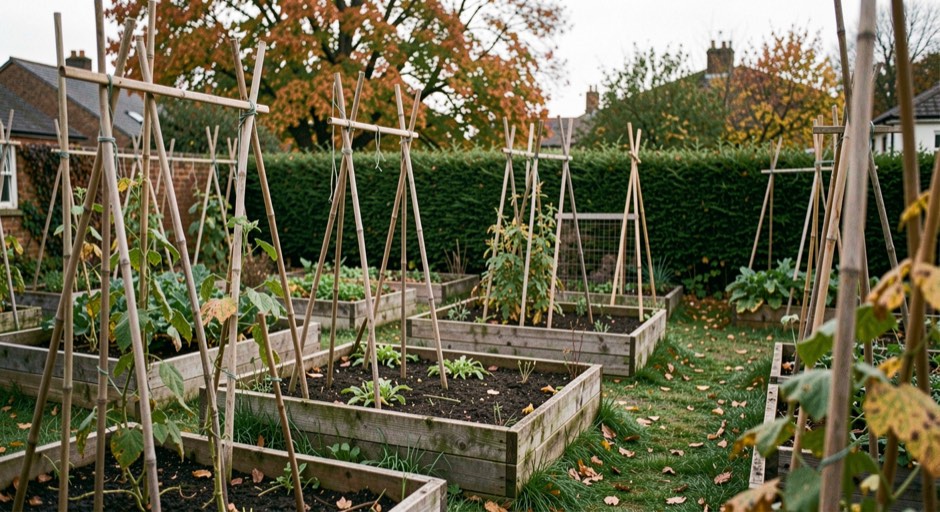
Reading a garden before buying a house
Soil, aspect, established trees and drainage: what an autumn viewing of a garden shows, and what it hides until winter and spring.
Read the note -
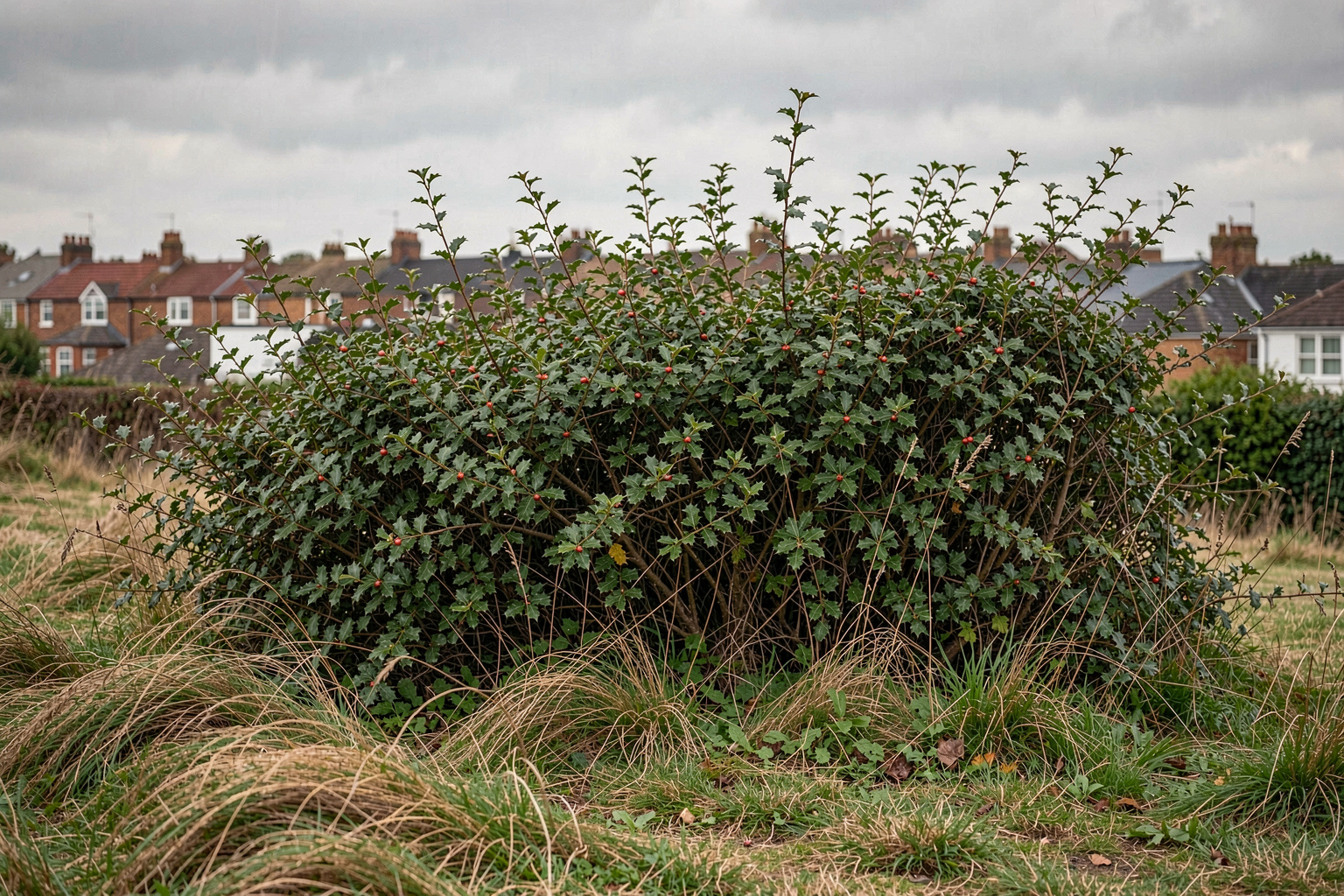
Gardening where winter is long and water counts
Practical notes on mountain and plateau plots: access in snow, stored water, windbreaks and a short growing season, with a nod to rural property guides.
Read the note -
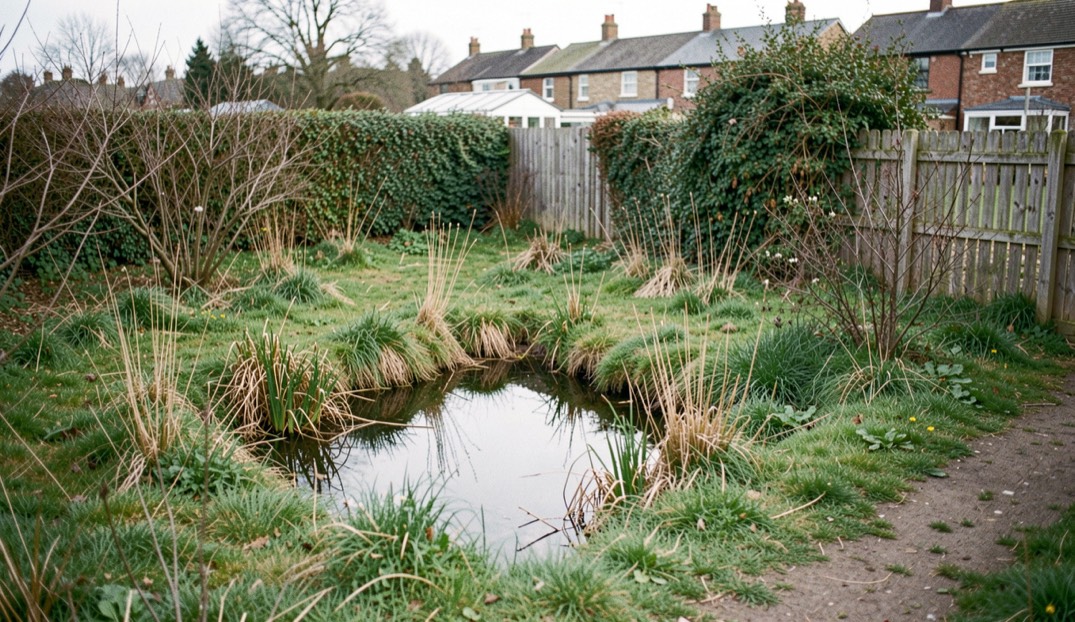
Planting for a dry summer: soil, water, shade
A practical look at dry-soil planting: improving the ground, watering with restraint, using borrowed shade, and a village garden that holds without a lawn.
Read the note