Green manure: covering bare ground before winter
Bare soil over winter is soil losing what makes it fertile, and the old fix is cheap: sow rye before the end of October and dig it in come spring. This page sets out what the archived composting notes on this address say about green manure, which crop to choose, and the one month of waiting that decides whether your next sowing germinates.
The editors of Notes from W4 –
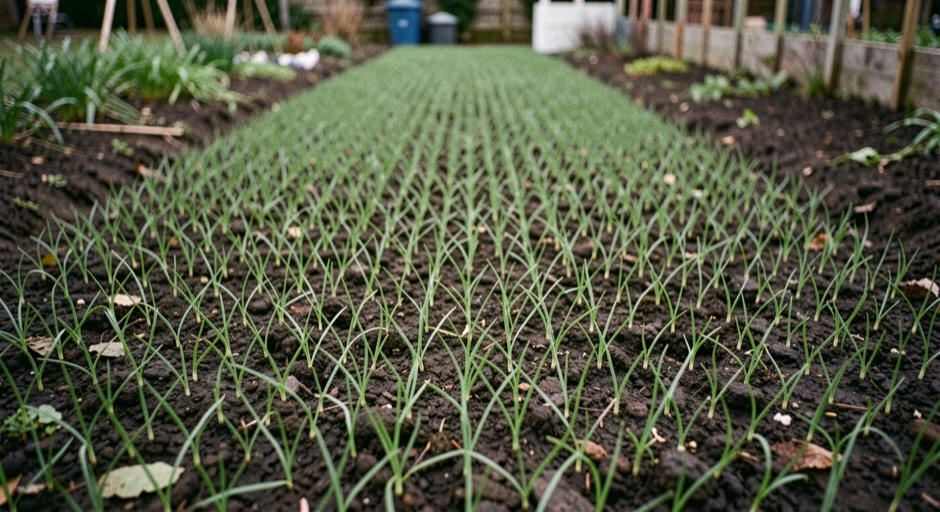
Why the ground should not sit naked
The composting notes archived on this address in 2006 make the point bluntly: it is not good for the earth to be bare. As ground is cleared through autumn, the life in it drains away if nothing covers it, and the notes say plainly that a plot left naked for long takes time to bring back to fertility. The purpose of the whole exercise is not the green crop itself. It is the humus that crop becomes once it is dug in, the black, binding material that keeps soil full of life. Humus is also what holds nutrients within reach of roots, a subject the companion page on worms, humus and winter soil takes further.
Which green manure over winters?
There are many green manures, but the notes are frank about their limits: most of them do not over winter well, or do not over winter at all. The two the notes name for an autumn sowing are ryegrass and grazing rye. The rule that goes with them is a date, not an opinion. Sow before the end of October, let the crop stand through winter, and dig it in in the spring. That is the whole sequence, and it fits the rhythm of a small plot: ground cleared in autumn does not have to sit idle until the spring dig.
A month between digging in and sowing
Here is the arithmetic that the notes insist on, and it is the one step a grower in a hurry will be tempted to skip. Allow at least a month after digging in the green manure before sowing seeds. The compounds released as the crop decays can inhibit germination. Thirty days is therefore not a rough courtesy to the soil; it is the difference between a seedbed that comes up and one that does not. If you want to sow in early spring, count backwards from that date and you have the latest day to dig the rye in.
Sow the rye where you will dig it
The notes add a small piece of practical geometry: when sowing the rye seed, put it where you will dig it in. Green manure is not a crop you move. It is a crop you bury where it stands, so the strip you sow in October is the strip you will be turning with a spade in spring. On a plot of even ten rods, 253 square metres, that matters. Sowing the whole plot because the seed was cheap buys a great deal of digging in spring. Sow the beds that will be free, and only those.
Can weeds do the same job?
Yes, within limits, and the notes say so directly: even weeds can be used as green manure. The golden rule is the same as for rye. Dig them in or cut them down before they go to seed, or the cover crop becomes the next problem. The notes also draw the line the other way. Deep-rooted weeds will spring back into life from the smallest piece of root left in the soil, and some form a thick mass of roots just as persistent. Those should not be tolerated at all, because digging them in is not burial, it is propagation.
What the seed lives on, and what it does not
The notes take the argument down to the ground itself, in the literal sense. Earth is the sediment from ground-up rock, washed down by rivers or come from rocks nearby, and on some plots it is made ground, rubbish tippings, which the plants do not mind as long as nutrients come from somewhere. A seed carries its own start in life and can go a long way on just water and air, laying the basis at the end of that short cycle for whatever comes after. Green manure is how that basis gets returned to the soil rather than carted off site. The notes do not give a sowing rate for the rye in grams per square metre, so this page does not invent one; follow the rate printed on the seed packet.
The heap that finishes the job
Green manure covers the ground between crops, but the crops themselves still want feeding, and the same archived notes move from rye to the making of compost without changing key: rotted organic matter, built in a bin at least five feet across so the heap gets hot enough to kill weed seeds and potato haulms. The methods for that, trench, box and pallet bin, are set out on the page about heaps, trenches and what goes in. Between the two pages there is a single working year for a plot: rye on the empty beds, compost on the planted ones.
Where the original notes can be read
The passages above are drawn from the first of three composting notes archived at web.archive.org, together with the two that follow it. They are written in one grower’s voice, and they say more than any summary can about weeds, soil and the patience a month of waiting requires.
The gesture, then, is a dated one. The next time a bed is cleared before the end of October, sow rye on it that week, and mark the calendar for the spring dig at least one month before the first sowing. The ground spends winter green, and the seedbed is ready in time.
Bad drainage and bare ground are read together in the waterlogged corner of a plot, where the water goes before a cover crop is sown.